$12.99
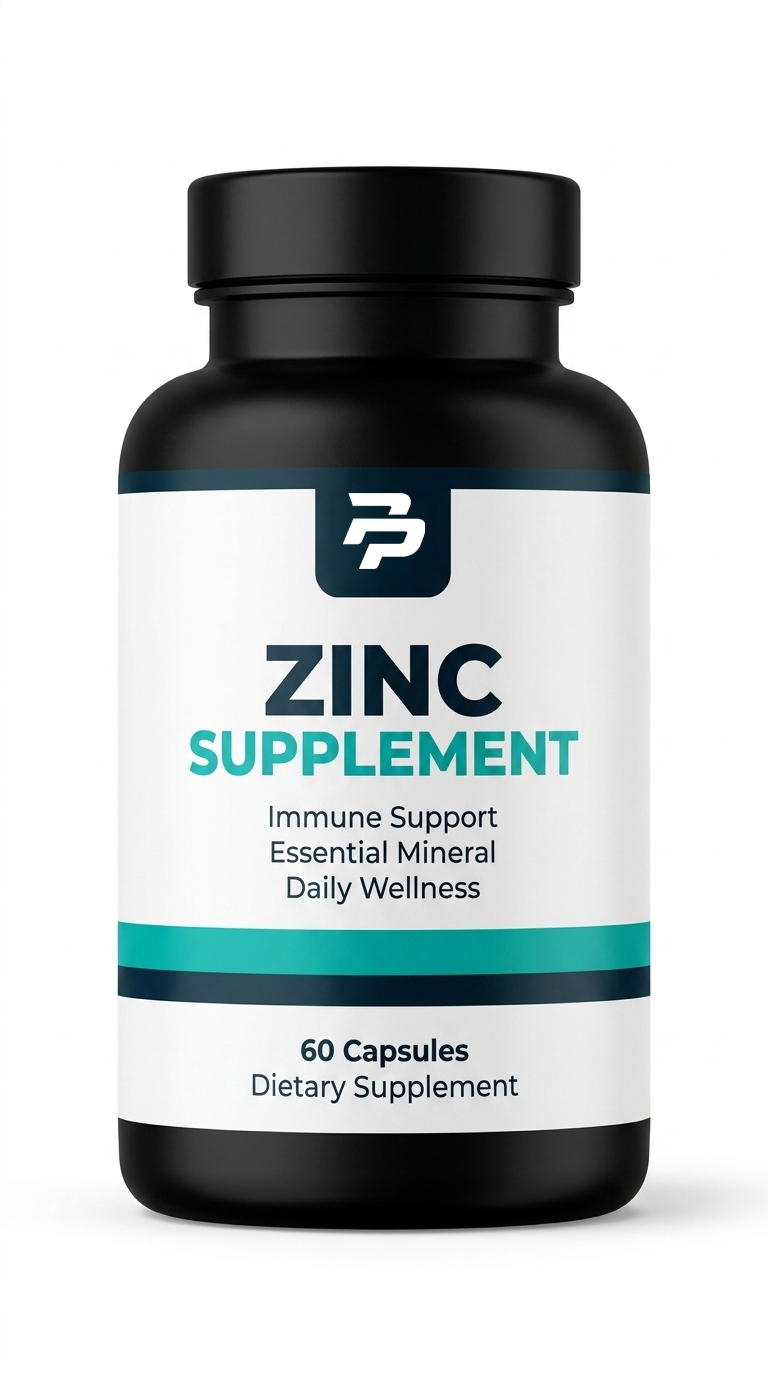
Highly absorbable zinc picolinate — supports immune function and recovery.
10 in stock
Zinc is one of those essential minerals that you don’t think about until your immune system reminds you of it. It’s involved in immune function, protein synthesis, wound healing, taste and smell, and hundreds of enzymatic reactions throughout the body. And the form of zinc matters significantly — most cheap zinc supplements use poorly absorbed forms that don’t deliver the elemental zinc on the label. Pristine Zinc Picolinate is built around the form that actually works.
This is 50 milligrams of zinc as zinc picolinate per capsule. Picolinate is one of the most bioavailable forms of zinc available — the picolinic acid carrier improves absorption significantly compared to cheaper forms like zinc oxide (poorly absorbed, often used because it’s the cheapest available) or zinc gluconate (better than oxide, but not as well-absorbed as picolinate). The result is a zinc supplement where the dose on the label actually translates to absorbed zinc in your system.
The case for zinc supplementation depends on context. Most healthy adults eating a varied diet get enough zinc from food, particularly if they eat red meat, shellfish, or legumes regularly. But zinc status drops during periods of heavy training (zinc is lost through sweat), during illness (zinc is heavily used by immune cells), during stress, and on lower-calorie diets. Athletes in heavy training blocks, anyone going through cold and flu season with concerns about immunity, people on lower-calorie diets where overall food intake is reduced — these are the situations where zinc supplementation makes the most sense.
Zinc’s role in immune function is what most people associate it with. Your immune cells are heavy zinc users, and adequate zinc status supports normal immune response. The classic recommendation for zinc during the early stages of a cold isn’t folk medicine — it’s based on real mechanisms. That said, this is general health language, not a treatment claim. What zinc does is support the systems your body uses to maintain immune function; it doesn’t cure anything.
For athletes, zinc plays a role in protein synthesis, testosterone production, recovery from training, and skin and connective tissue health. Heavy training depletes zinc faster than light training, and chronic inadequacy can show up as poor recovery, reduced training output, and increased susceptibility to minor illnesses.
A note on dose: 50 milligrams per capsule is a meaningful dose, intended for short-term or targeted supplementation rather than indefinite high-dose use. Long-term zinc supplementation above 40 milligrams per day can interfere with copper absorption, so for ongoing daily use, lower doses or zinc combined with copper are appropriate. This product is best used during periods of higher demand — heavy training blocks, cold and flu season, or anywhere you specifically want elevated zinc status — rather than as a permanent daily addition without rotating off.
Every batch is manufactured in a cGMP-compliant facility in the United States and tested for purity, potency, heavy metals, and microbials before it ships. Certificates of Analysis are available for any batch on request. The capsules are vegetable cellulose.
This is the zinc for athletes in heavy training stress, anyone wanting immune support during high-risk seasons, and people who want a high-quality, well-absorbed zinc supplement at a sensible price. One capsule daily with food (always with food — zinc on an empty stomach is famously rough). The 60-count bottle is a two-month supply.
50mg zinc as zinc picolinate per capsule | Picolinate form — one of the most absorbable forms of zinc | Supports immune function and recovery | Supports protein synthesis and connective tissue health | Single-ingredient capsule — no fillers or additives | Vegetable cellulose capsules — vegetarian-friendly | Manufactured in a cGMP-compliant U.S. facility
Zinc Picolinate (providing 50mg elemental zinc). Other Ingredients: Vegetable Cellulose Capsule, Microcrystalline Cellulose, Silicon Dioxide.
Manufactured in a facility that also processes milk, wheat, soy, egg, peanuts, and tree nuts.
Take 1 capsule daily with food. Do not exceed recommended dose. Always take with food to minimize stomach upset. For long-term daily use, consider rotating off periodically or pairing with copper supplementation.
These statements have not been evaluated by the Food and Drug Administration. This product is not intended to diagnose, treat, cure, or prevent any disease. Individual results may vary. Consult a licensed healthcare provider before use, especially if you are pregnant, nursing, taking medication, or have a medical condition. Keep out of reach of children.