$24.99
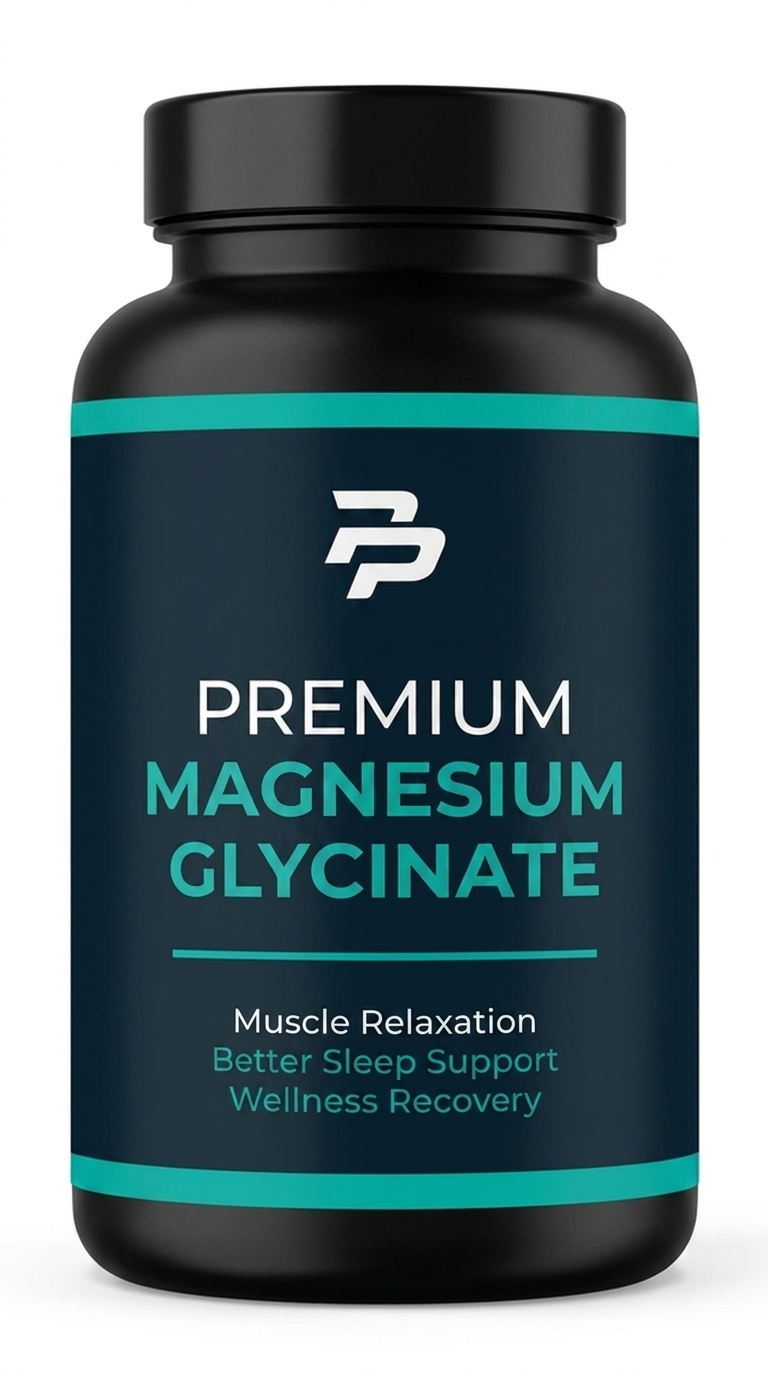
Highly absorbable magnesium glycinate — supports sleep, recovery, and muscle relaxation.
10 in stock
Magnesium is one of the most common nutrient inadequacies in the American diet. Estimates suggest somewhere between 50 and 75 percent of adults don’t get enough through food alone. And for athletes, the gap is even worse — magnesium is lost through sweat, used heavily during muscle contractions, and depleted faster during periods of stress. Pristine Magnesium Glycinate is built to close that gap with the form of magnesium that actually works.
This is magnesium bound to glycine — an amino acid that significantly improves the absorption and tolerance of the magnesium compared to cheaper forms. 200 milligrams of elemental magnesium per serving (two capsules), in a form that doesn’t cause the digestive issues common to magnesium oxide (the cheap form most drugstore brands use, which is poorly absorbed and notorious for causing loose stools).
The form of magnesium matters more than almost any other supplement. Magnesium oxide is dirt-cheap to manufacture but only about 4 percent of the magnesium actually gets absorbed; the rest sits in your gut and pulls water in, which is why it’s used as a laxative. Magnesium citrate is better but still causes GI issues in many people. Magnesium glycinate has high bioavailability and is well-tolerated, which is why it’s the form serious supplement formulators reach for. The glycine bond also makes it gentler on the stomach and easier to take before bed.
What magnesium actually does in the body is hard to overstate. It’s involved in over 300 enzymatic reactions. Muscle contraction and relaxation — magnesium is the counterbalance to calcium, and when levels are low, muscles cramp and stay tense. Sleep quality — magnesium plays a role in GABA signaling, the calming neurotransmitter system that lets you wind down at night. Cardiovascular function. Bone health (yes, magnesium, not just calcium). Energy production at the cellular level via ATP. The list goes on, which is part of why so many seemingly disparate symptoms — muscle cramps, restless sleep, anxiety, headaches, fatigue — can trace back to inadequate magnesium status.
For athletes specifically, magnesium loss through sweat is a real factor. Heavy training increases magnesium turnover, and inadequate intake can show up as cramping, poor recovery, disrupted sleep, and general fatigue. Pre-bed supplementation has become a staple in serious training programs partly for the recovery benefits and partly because it can support deeper, more restful sleep — which is when most of the actual recovery work happens.
The glycinate form is particularly good for evening dosing. Glycine itself has mild calming properties, and the combination of glycine plus elemental magnesium tends to feel relaxing rather than energizing. A lot of lifters take two capsules 30 to 60 minutes before bed and notice both improved sleep quality and reduced morning muscle stiffness.
Every batch is manufactured in a cGMP-compliant facility in the United States and tested for purity, potency, heavy metals, and microbials before it ships. Certificates of Analysis are available for any batch on request. The capsules are vegetable cellulose rather than gelatin.
This is the magnesium for athletes whose training depletes it faster than diet can replace, adults with sleep quality issues, anyone with chronic muscle tightness or cramping, and people who’ve tried cheaper magnesium and given up because of the GI side effects. Two capsules in the evening, ideally 30 to 60 minutes before bed. The 120-count bottle is a two-month supply at the standard daily dose.
200mg elemental magnesium per serving (2 capsules) | Glycinate form — best absorption and digestive tolerance | Supports muscle relaxation and recovery | Supports sleep quality and evening wind-down | Gentle on the stomach — no GI issues like cheaper forms | Vegetable cellulose capsules — vegetarian-friendly | Manufactured in a cGMP-compliant U.S. facility
Magnesium Glycinate (1000mg, providing 200mg elemental magnesium). Other Ingredients: Vegetable Cellulose Capsule, Microcrystalline Cellulose, Silicon Dioxide, Magnesium Stearate.
Manufactured in a facility that also processes milk, wheat, soy, egg, peanuts, and tree nuts.
Take 2 capsules daily, ideally 30 to 60 minutes before bed. Can be taken with or without food.
These statements have not been evaluated by the Food and Drug Administration. This product is not intended to diagnose, treat, cure, or prevent any disease. Individual results may vary. Consult a licensed healthcare provider before use, especially if you are pregnant, nursing, taking medication, or have a medical condition. Keep out of reach of children.