$34.99
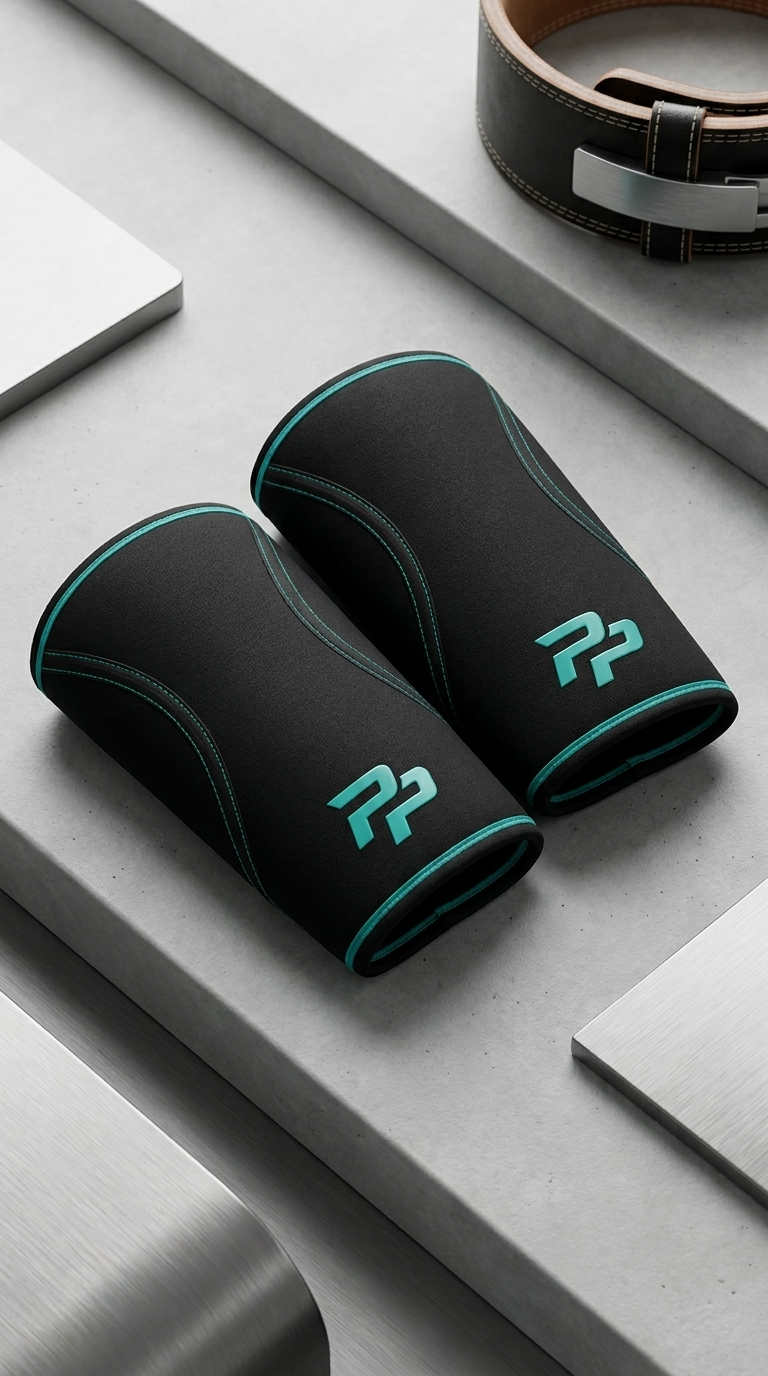
7mm neoprene knee sleeves — warmth, support, and stability for heavy squats.
10 in stock
If you squat heavy, your knees are working hard. The combination of high load, deep range of motion, and high rep volume puts stress on the knee joint that becomes harder to manage as you get older or as your training weights climb. Knee sleeves don’t make your knees indestructible — but they provide warmth, support, and a small mechanical benefit that adds up to a noticeable difference on heavy squat days. Pristine Knee Sleeves are the simple, well-constructed version of the tool.
These are 7mm thick neoprene knee sleeves — the standard thickness used by most competitive powerlifters and serious recreational lifters. The thickness matters: thinner sleeves (3-5mm) provide minimal support and are mostly for warmth; thicker sleeves (10+mm) provide more “bounce” out of the bottom of a squat but are restrictive in non-squat movements and overkill for general training. 7mm is the sweet spot for most lifters — meaningful support and warmth without being so thick that they become specialized equipment.
The materials are SBR neoprene — a high-density rubber that provides both compression and warmth. The compression supports the knee joint and surrounding tissue during heavy loading; the warmth keeps the joint heated up throughout your session, which most athletes find helps with comfort and perceived stiffness on heavy squat days. The neoprene is double-stitched at all stress points and reinforced at the top and bottom edges, which is where cheap sleeves tend to fail — the seams at the top of the sleeve are constantly stressed every time you pull the sleeve on or off.
The fit is the most important variable. Knee sleeves should be snug enough that they take genuine effort to pull on — you should be using your hands to work them up your calf, then over your knee. If they slide on easily, they’re too loose to provide meaningful support. Most people end up sizing down from their initial guess. The sizing chart (available on the product page) measures the circumference of your leg just below the knee — measure carefully, and if you’re between sizes, go down rather than up.
The use cases are mostly squat-focused, but the sleeves are useful for any lower-body work where knee support matters. Heavy back squats, front squats, and Olympic lifts (cleans, snatches) are the primary use. Lunges, split squats, and step-ups also benefit. Some lifters wear them for deadlifts; others find them unnecessary or even restrictive on the deadlift. For non-lifting use — running, jumping, sports — these are too restrictive and not the right tool; medical-grade compression sleeves or specialized sport sleeves are better for those applications.
What the sleeves don’t do: cure existing knee injuries, replace proper warm-up, or compensate for bad squat technique. They’re a supportive tool used alongside good preparation and good form, not a substitute for either.
The 7mm thickness produces what powerlifters call “rebound” — a small mechanical assist out of the bottom of a squat where the compressed neoprene pushes back against your leg as you stand up. The effect is real but small (a competent lifter might get 5 to 10 pounds of perceived assistance on a maximum squat), and it’s not the primary reason to use sleeves. The main benefits are warmth, joint support, and the consistency of having the same equipment on every heavy squat session.
Care is straightforward. After use, turn the sleeves inside out and air dry them completely before storing. Don’t put them in the dryer — the heat breaks down the neoprene over time. Wipe down with mild soap and water as needed. With reasonable care, a pair of these should last several years of regular heavy training.
7mm neoprene — standard powerlifting thickness | Supports the knee joint during heavy squats and lower-body work | Provides warmth that supports comfort on heavy days | Compression supports surrounding tissue and joint stability | Double-stitched seams and reinforced edges for durability | Sold as a pair | Sized snug for genuine support, not just warmth
These statements have not been evaluated by the Food and Drug Administration. This product is not intended to diagnose, treat, cure, or prevent any disease. Individual results may vary. Consult a licensed healthcare provider before use, especially if you are pregnant, nursing, taking medication, or have a medical condition. Keep out of reach of children.