$29.99
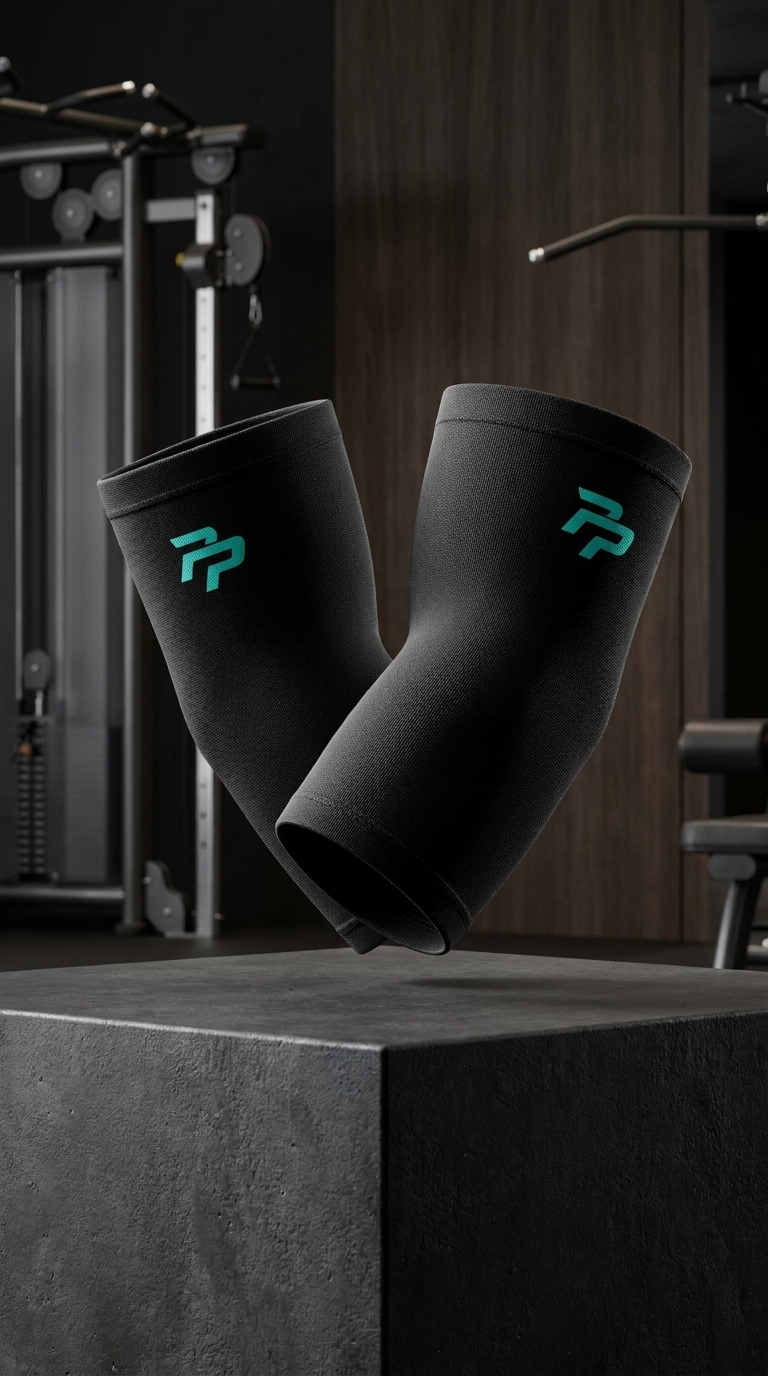
5mm neoprene elbow sleeves — warmth and support for heavy pressing and pulling.
10 in stock
Elbow sleeves are the underrated counterpart to knee sleeves. Heavy pressing puts significant stress on the elbow joint — bench press, overhead press, dips, dumbbell pressing, and any tricep-heavy work all load the elbow with weight and high frequency. Add in the volume that lifters accumulate over years, and elbow discomfort starts showing up as a chronic limiter. Pristine Elbow Sleeves provide warmth and support that many lifters find makes a real difference on heavy pressing days.
These are 5mm neoprene elbow sleeves — a slightly thinner gauge than our knee sleeves because the elbow doesn’t require the same level of compression support as the knee, and a too-thick sleeve restricts the range of motion required for pressing and curling movements. 5mm is the standard thickness used by most lifters who wear elbow sleeves — meaningful warmth and joint support without being so thick that it changes your bench press groove.
The construction is the same SBR neoprene as our knee sleeves, with reinforced double-stitched seams at all stress points and protected edges at the top and bottom of the sleeve. The fit should be snug — you should have to work to pull them on — but not so tight that you lose blood flow during a set. If your forearm starts going numb or your hand starts tingling, the sleeve is too tight.
The primary use case is heavy pressing. Bench press, close-grip bench, overhead press, dips, dumbbell pressing — anywhere your elbow is loaded with significant weight while flexing and extending. Many lifters with elbow tendonitis (tennis elbow, golfer’s elbow) find that the warmth from the sleeves helps reduce discomfort during pressing sessions, though sleeves are not a treatment for tendonitis and aren’t a substitute for addressing the root cause. The warmth from the neoprene keeps the joint heated throughout the session, which most athletes find helps with comfort and perceived stiffness.
Secondary use cases include heavy curling, tricep work, and any other elbow-loaded exercises. Some lifters wear them for high-rep CrossFit-style work that involves a lot of pressing — wall balls, push press, kettlebell work — where the cumulative volume on the elbow joint adds up over the course of a session.
What elbow sleeves don’t do: cure elbow tendonitis, replace proper warm-up, or compensate for bad pressing technique. They’re supportive equipment used alongside good preparation, not a substitute for it. If you have persistent elbow pain, the sleeves may help with the symptoms but the underlying cause — usually some combination of overuse, technique issues, or muscle imbalances — needs to be addressed separately.
The compression provides minimal mechanical benefit on the press itself (unlike knee sleeves on squats, where the rebound out of the bottom provides a small assist). The main benefits are warmth, joint support, and the consistency of having the same equipment on every heavy pressing day. Some lifters report a placebo benefit — they feel more confident pressing heavy with sleeves on, which translates to more aggressive sets and better performance — and there’s nothing wrong with that.
Sizing follows the same principle as our knee sleeves. Measure the circumference of your arm just above the elbow joint, consult the size chart, and if you’re between sizes, go down rather than up. Snug-fitting sleeves provide support; loose-fitting sleeves provide nothing but warmth.
Care is the same as our knee sleeves. Turn inside out and air dry after use. Wipe down with mild soap and water. Don’t put them in the dryer. Sold as a pair.
5mm neoprene — right thickness for elbow support without restricting motion | Supports the elbow during heavy pressing and pulling work | Provides warmth that supports comfort on heavy days | SBR neoprene construction with double-stitched seams | Reinforced edges for durability | Sold as a pair | Sized snug for genuine support
These statements have not been evaluated by the Food and Drug Administration. This product is not intended to diagnose, treat, cure, or prevent any disease. Individual results may vary. Consult a licensed healthcare provider before use, especially if you are pregnant, nursing, taking medication, or have a medical condition. Keep out of reach of children.